
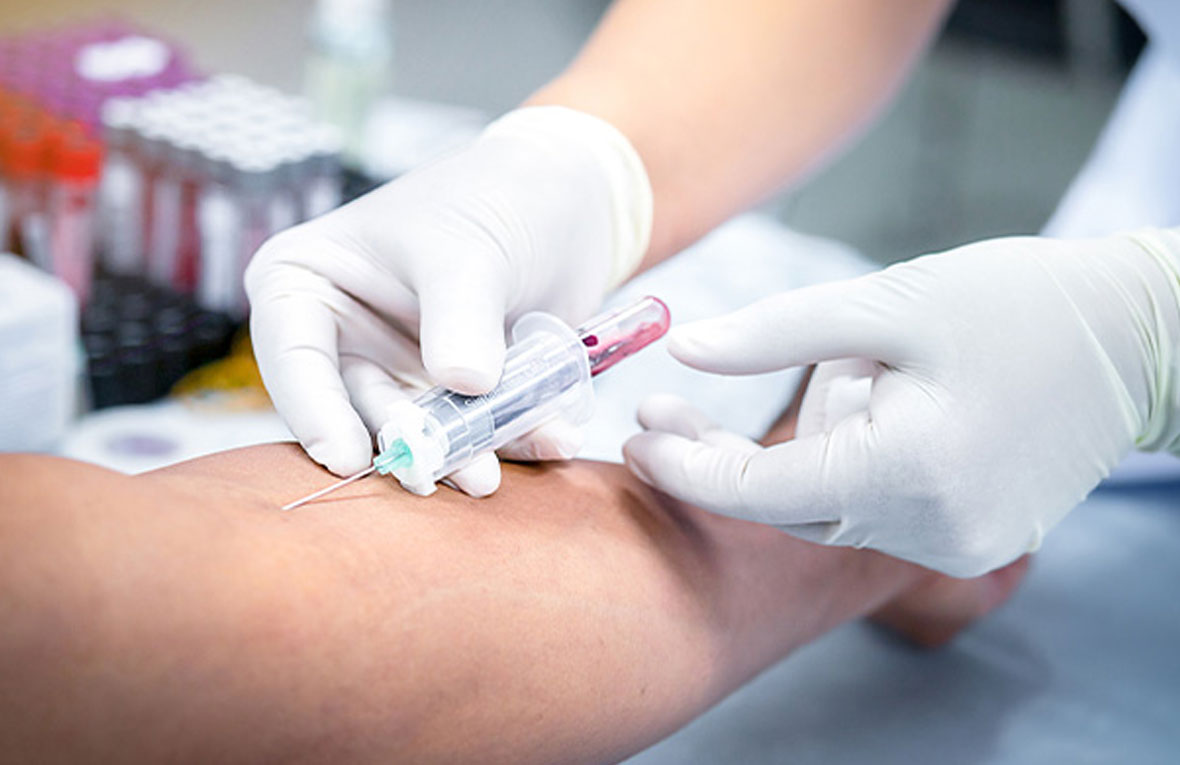
Fertility testing is an important part of understanding reproductive health and identifying factors that may be affecting the ability to conceive. Difficulty in achieving pregnancy can be related to female factors, male factors, or a combination of both. A proper fertility evaluation helps identify possible concerns and enables the fertility specialist to recommend the most appropriate next steps based on individual circumstances.
The evaluation process is not the same for everyone. Factors such as age, medical history, menstrual history, previous pregnancies, duration of infertility, and previous fertility treatments may all influence the type of tests recommended. Both partners may require evaluation so that the complete fertility picture can be understood.
Female fertility depends on several aspects of reproductive health working together. Ovulation, hormonal balance, ovarian function, the uterus, and the fallopian tubes can all play an important role in conception.
Depending on individual circumstances, a fertility specialist may recommend appropriate tests and assessments to understand possible factors affecting fertility.
Evaluation may include:
The purpose of fertility testing is to better understand each individual’s reproductive health and guide further care based on the findings.
Male fertility testing is equally important when evaluating difficulty in achieving pregnancy. Male fertility can be influenced by factors affecting sperm production, concentration, movement, morphology, and other aspects of reproductive health.
The centre lists male fertility tests including semen analysis and DNA fragmentation testing, along with evaluation and procedures related to conditions such as azoospermia.
Male fertility evaluation may include:
If you have been trying to conceive without success or have concerns about your reproductive health, a consultation with a fertility specialist can help determine whether a fertility evaluation may be appropriate.
Fertility concerns can involve female factors, male factors, or a combination of both. For this reason, evaluating both partners can help provide a more complete understanding of the situation.
Depending on individual circumstances, evaluation may involve a review of medical history, assessment of ovulation, ultrasound examinations, and tests to assess the uterus and fallopian tubes.
A semen analysis evaluates characteristics of a semen sample, including sperm concentration, motility, and morphology.
SSG and HSG are diagnostic tests that can be used to assess the fallopian tubes and identify possible blockages or abnormalities that may affect fertility.
Not necessarily. The tests recommended will depend on individual medical history, symptoms, previous treatment, and the fertility specialist's assessment.
At Skanda Kumara Fertility Centre, we provide compassionate, personalized fertility care supported by advanced treatments and experienced specialists, helping individuals and couples move confidently toward parenthood.
Contact
LK Tower, Durgalaya Main Road, Opp. Velludaiyar School, Thiruvarur.
Copyrights © 2026 Skanda Kumara Fertility & Women’s Health Centre. Developed by YOGA’S IT Solutions